

A cat can make a busy home feel softer. Someone comes back from work, drops the bag, and there it is: a slow blink from the sofa, a tail curled around the chair leg, maybe a small meow that sounds half greeting and half complaint. Cats do not always need constant attention, but the right one can still feel wonderfully present.
That is why many people search for friendly cat breeds before bringing a pet home. They want a cat that is affectionate but not too demanding. Social, but not clingy all day. Calm enough for an apartment, but still playful enough to bring life into the room.
A busy pet owner usually needs a cat with a balanced personality. Too much energy can become a problem if the cat is bored all day. Too much dependency can lead to stress.
The best cats for working households tend to be calm, adaptable, affectionate, and able to enjoy their own space. These cats still need attention, playtime, meals, vet care, and affection. They are not decorative pets. But they are usually easier to fit into a full routine.
For people looking at low maintenance cats, short-haired breeds often feel easier because they need less brushing than long-haired cats. That said, a cat’s personality matters just as much as coat type. A calm long-haired cat may be easier than a hyperactive short-haired one.
Before choosing a breed, a future owner should think about:
These questions save trouble later. A cat may look perfect online, but the real match depends on daily life.
Ragdolls are famous for being gentle, relaxed, and people-loving. Many of them enjoy being near their owners without creating chaos around the house. They are often called lap cats, though not every Ragdoll wants to be carried around all day.
They can be a good fit for apartment living because they are usually calm and affectionate. Their soft nature makes them one of the most loved indoor cat breeds for families, singles, and working professionals.
The only catch is grooming. Ragdolls have semi-long coats, so brushing a few times a week helps prevent tangles. For owners who do not mind that small routine, they can be beautiful companions.
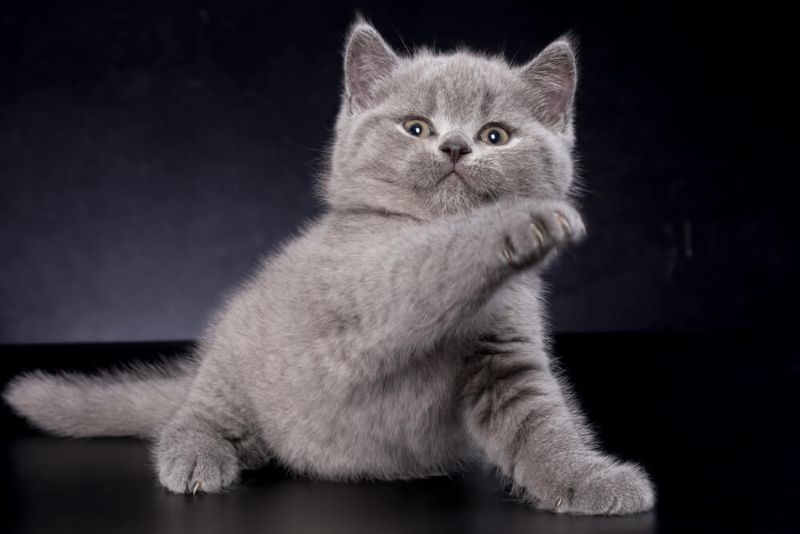
The British Shorthair has a quiet, steady personality that suits busy people well. It is affectionate without being overly needy. It may sit nearby rather than climb into someone’s lap every five minutes, which many owners secretly appreciate after a long day.
This breed is often suggested for apartment homes because it is calm, sturdy, and not usually dramatic. British Shorthairs enjoy attention, but they also know how to relax on their own.
For people searching for best cats for small apartments, this breed makes a lot of sense. It has a plush coat, but grooming is usually manageable with weekly brushing. It is not the type of cat that usually needs constant entertainment, though daily play still matters.
The Exotic Shorthair is often described as a Persian-style cat with an easier coat. It has a sweet face, a soft body, and a calm, affectionate personality. For someone who likes the look of a Persian but not the heavy grooming routine, this breed can feel like a happy middle ground.
Exotics are usually playful in small bursts, then ready to nap. That makes them suitable for people who work during the day and want a gentle companion at home.
Exotic Shorthairs are often loved because they are:
They do need face cleaning sometimes because of their flatter facial structure. A quick daily check can keep them comfortable.
Russian Blues are elegant, quiet, and loyal cats. They may be shy around strangers at first, but once they bond with their person, they can become deeply affectionate in a soft, understated way.
This breed can work well for people who prefer quiet cat breeds. Russian Blues are not usually loud or attention-hungry. They like routine, clean spaces, and calm households.
They also have short, dense coats that do not need heavy grooming. A weekly brush is usually enough. For owners who work from home part-time or keep a predictable schedule, a Russian Blue can be a peaceful companion.
Scottish Folds have rounded faces, folded ears, and laid back personalities. Many are sweet, placid, adaptable, and make appealing first-time owners and apartment dwellers.
They like company but don’t always demand it. This balance can be helpful for people who want a loving cat but can’t spend every hour entertaining one.
Must Read: Feline Diabetes Management Tips for Everyday Pet Owners
Burmese cats are affectionate, social, and charming. They often act more people-focused than independent. This can be lovely for owners who want a cat that truly interacts with them after work.
They may not be the best choice for someone who is gone all day, every day, unless there is another pet or family member around. Burmese cats like companionship. They can be playful and sometimes a little mischievous, but in a warm, entertaining way.
For people who want cats for working professionals and still have time in the evening for play and cuddles, Burmese cats can be a great match.
The Chartreux is not always the first breed people mention, but it deserves attention. It is calm, loyal, and often quietly affectionate. Many Chartreux cats are observant rather than noisy, which makes them suitable for peaceful apartments.
They are playful without being wild. They enjoy being around their people but do not usually demand attention in a loud way. That kind of personality can feel perfect for someone who likes companionship without constant interruption.
Their dense coat needs brushing, but not excessive grooming. They are a good option for owners who want a sturdy, gentle cat with a slightly old-soul personality.
Maine Coons are large, friendly, and famously good-natured. They are often called gentle giants because they can be affectionate, social, and playful without being aggressive.
They are not exactly tiny-apartment cats, but many can adapt well if they have enough space, climbing areas, and enrichment. For owners who want a bigger cat with a dog-like personality, the Maine Coon can be a joy.
Maine Coons need more grooming than short-haired breeds. They also need enough room to stretch, climb, and play. They may not suit someone who wants the lowest-effort pet possible, but they can be wonderful for busy owners who still enjoy an active bond with their cat.
The American Shorthair is one of the most practical choices for busy households. It is friendly, adaptable, and usually easy to care for. This breed often enjoys affection but does not always need to be the center of attention.
It has a short coat, moderate energy, and a balanced personality. That makes it one of the best all-around friendly cat breeds for people who want a loving pet without a complicated care routine.
American Shorthairs can also do well in apartments if they have toys, scratching posts, window views, and daily play. They are steady cats. Not too fussy. Not too distant. Just pleasantly easy to live with.
Small homes can work beautifully for cats when the space is arranged well. Vertical space matters. A cat tree, window perch, wall shelf, or tall scratching post can make a small apartment feel bigger to a cat.
For best cats for small apartments, personality matters more than size. A calm British Shorthair may do better than a high-energy Bengal in a tiny studio. A relaxed adult rescue cat may do better than a kitten that wants to climb everything at 2 a.m.
Owners should look for cats that are adaptable, calm, and comfortable indoors. The best indoor cat breeds are not simply lazy cats. They are cats that can feel mentally satisfied with indoor play, routine, and attention.
Busy owners can absolutely keep cats happy, but they need a routine. Cats like predictability. Meals at similar times, a clean litter box, regular play, and a cozy resting area make a big difference.
Useful habits include:
For people searching for low maintenance cats, it is still important to remember that low maintenance does not mean no maintenance. Even independent cats need care, affection, and vet visits.
Owners who need quiet cat breeds should avoid choosing only by looks. Some beautiful cats are very vocal. Others are silent little shadows. Meeting the cat first, when possible, gives a better sense of personality.
On a Similar Note: Hernia in Dogs and Cats: Symptoms and Tips for Treatment
The best cat for a busy owner is not always the fanciest breed or the one trending online. It is the cat whose personality fits the home. A calm British Shorthair, gentle Ragdoll, peaceful Russian Blue, or easygoing American Shorthair may fit one person perfectly. Another owner may fall in love with a mixed-breed shelter cat who has exactly the right energy.
For cats for working professionals, the goal is balance. The cat should be friendly enough to bond, independent enough to relax alone, and adaptable enough to enjoy indoor life. With the right setup, a busy home can still be a loving cat home.
Yes, an adult cat is often easier for a busy owner because its personality is already more defined. Kittens are cute, but require more supervision, training, play and patience. A shelter cat, already an adult, might be litter trained, calmer and more willing to fit into a work routine, especially if staff can explain its habits.
If they already get along or are adopted as a bonded pair, two cats can be better. They can keep each other company while the owner is working and help to stave off boredom. But two cats also mean double the food, litter, vet bills and space requirements. It needs to be a well thought out choice, not a quick fix for a busy schedule.
A lonely cat may be more vocal, clingy, destructive, withdrawn or restless. Some cats may over groom, sleep too much, stop playing or follow the owner constantly after work. These signs can also be a sign of health problems so it’s wise to have your vet take a look. More playtime, enrichment, window views and a predictable routine can go a long way to helping many cats feel more secure.
This content was created by AI