

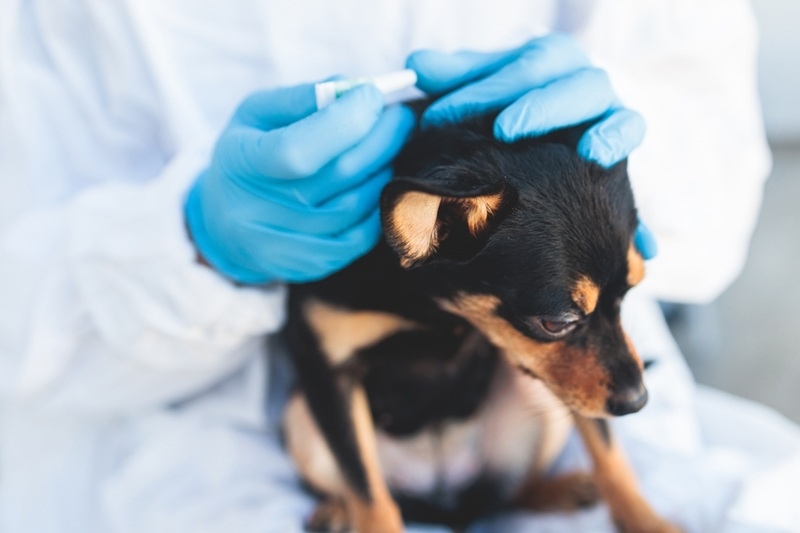
Lyme disease is an illness in dogs that can be spread. It is more common in areas with wooded trails, tall grass, and humid weather. Pet owners need to know about Lyme disease in dogs. If caught early, treatment can prevent problems. If treatment is delayed, dogs can have joint, kidney, or heart issues.
Ticks have the bacteria. Borrelia burgdorferi can give Lyme disease to dogs through bites. Symptoms can take weeks or months to show up. So dog owners might miss the signs. Knowing how Lyme disease spreads, recognizing symptoms fast, and understanding treatment options can help dogs feel better and recover more quickly.
This guide will cover how dogs get Lyme disease. We will also look at the stages of Lyme disease in dogs, common symptoms, and treatment options. We will discuss life expectancy concerns. Whether dogs can fully recover from Lyme disease. Lyme disease is an issue for dogs. Lyme disease needs to be taken seriously by dog owners.
Dogs get Lyme disease from the bite of infected black-legged ticks, also known as deer ticks. These ticks do well in wooded areas, grassy areas, gardens, and damp outdoor areas. When a tick sticks to a dog's skin, it drinks blood. Can pass on bad bacteria into the dog's blood. Ticks do not give the infection away. They usually have to stay stuck for 24 to 48 hours before the bacteria move to the dog. This means checking your dog often and looking for ticks is very important after they have been outside. Dogs cannot give Lyme disease to people or other pets directly. You can only get Lyme disease from ticks.
Some common times when dogs get Lyme disease are the following:
Lyme disease gets worse gradually. It goes through different stages that are not all the same. Some stages of Lyme disease are really bad. If you notice symptoms of Lyme disease early, you can stop Lyme disease from getting really bad. Here are three stages of Lyme disease to look out for:
This is what happens after a tick bites you. It starts a day or a week later. You might not even notice that something is wrong because the symptoms are really mild. Dogs can get a fever. they can get tired, or they just do not want to eat as much as they usually do. The problem is that the signs of something being wrong are so subtle that many people do not even realize their dogs are sick, so the infection just keeps getting worse without anyone doing anything to stop it.
At this point, bacteria are widespread in the bloodstream of dogs. Dogs may feel pain in their joints that moves from one leg to another, get really tired, and have swollen lymph nodes. They do not like to be touched. The dogs can still have a fever. It can be harder for them to move around because of the inflammation in their bodies. Bacteria are still. Causing problems for the dogs.
Lyme disease can be very serious if you do not get treatment. It can cause problems with the important parts of your body. The worst thing that can happen is that your kidneys get inflamed. This can be so bad that it can be life-threatening. Some dogs get heartbeats, or they have problems with their nerves. If Lyme disease is not treated, some dogs can get bad joint pain that lasts for a long time. Lyme disease can cause joint pain for a long time if left untreated. Lyme disease is a deal, and you need to get help if you have it.
Dogs can develop symptoms based on their age, how their bodies fight the infection, and the stage of the infection. If it is really bad, dogs can throw up, lose weight, get very thirsty, or have trouble breathing because their kidneys are not working properly. Since these symptoms are similar to those of sickness, the dog needs to see a vet to figure out what is really going on. The common signs of Lyme disease in dogs include:
Don't Miss: Best Dog Food for Sensitive Stomach That Keeps Pets Healthy
Veterinarians usually give dogs with Lyme disease antibiotics. The medicine they use the most is doxycycline. Most dogs start to feel better within 24 to 48 hours of taking the medicine, especially if they get diagnosed early. Lyme disease can still cause some problems even after the dog has taken the medicine. Some dogs may have joints because their immune system is still reacting.
The dog needs to go to the veterinarian regularly to make sure they are getting better safely. If the veterinarian catches Lyme disease early, the dog will be much better off. Will not have any big problems with their organs. Lyme disease is real, and the veterinarian can help the dog with it.
Treatment usually includes:
Dogs with Lyme disease can live a normal life if they receive early treatment. Most dogs get better when they take the medicine and get the care they need. However, things can get bad if the disease is not treated. If the disease hurts the kidneys, it can be very serious and even fatal. Dogs with kidney damage may not live as long as they should.
If dogs get the treatment and see a vet regularly, they can stay healthy and active. Dogs with Lyme disease can live long lives if they receive the help they need early.
Lyme disease can be. The symptoms can go away with antibiotics. The bad bacteria that cause Lyme disease may still be in the body. Some dogs have these bacteria inside them, but they do not get sick again.
This means the dog can get sick again with Lyme disease, especially if its immune system gets weaker. Most dogs treated for Lyme disease do not get sick again and can live happy lives. It is still very important to care for the dog and prevent Lyme disease even after the dog recovers from Lyme disease.
Know More: Canine Hip Dysplasia Symptoms and Affordable Care Options
Prevention is the defense against tick-borne infections. In areas where people think ticks are a problem animal, doctors may also say that Lyme disease vaccines are a good idea. Taking precautions really lowers the risk of tick-borne infections. People who own pets can reduce their risk of getting tick-borne infections through the following:
Lyme disease in dogs is something owners should know about so they can recognize symptoms early and get their dogs treated promptly. If you know about the risks of getting Lyme disease from ticks and what happens when your dog gets sick, you can keep your pet safe from health problems.
Most dogs get better when they get treatment right away, and there are things you can do to prevent your dog from getting Lyme disease in the first place. If you are careful when you take your dog outside and take them to the vet regularly, you can help keep your dog healthy and full of energy. Lyme disease is pretty common. If you know what to do and take care of your dog, you can manage it and even prevent it from happening to your dog.
Symptoms may take 2–5 months to appear, making routine tick checks essential.
Yes, ticks can attach during brief outdoor visits and transmit infection.
No, it only spreads through infected tick bites, not direct contact.
This content was created by AI