

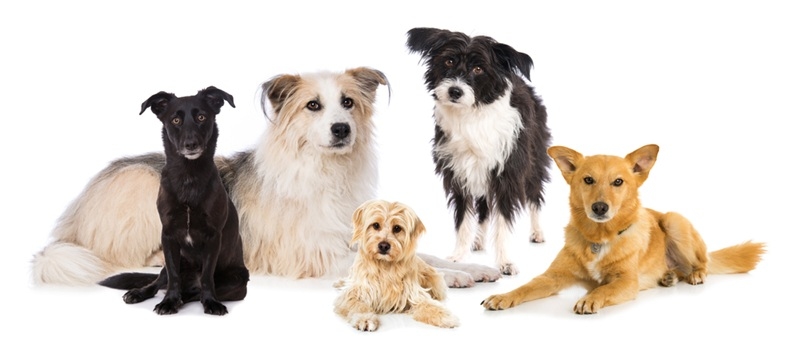
Rare dog breeds are slowly gaining attention across the United States. More families are researching rare dog breeds instead of choosing the most common options. They look into uncommon dog breeds, study dog breed profiles USA, and compare details before they adopt rare dogs for their homes.
This blog will help you understand everything about rare dog breeds in the USA. It will also cover the most uncommon dog breeds in the USA.
Must Read: Best Low Maintenance Dog Breeds For Pet Lovers in 2025
There is a noticeable change in how people choose pets today. Years ago, many families selected whatever breed was most familiar. Now, the process looks different. People research first. They compare options. They ask questions.
One reason for the rise in interest is lifestyle matching. Not every dog fits every home. Some households are quiet and structured. Others are active and outdoors most days. Rare dog breeds sometimes offer traits that feel more specific and aligned with these needs.
Another reason is awareness. Access to information has improved. Families can now read detailed insights about behavior, energy levels, and grooming routines before bringing a dog home. This preparation reduces mistakes and builds confidence.
Interest in uncommon dog breeds continues to grow, but awareness is still limited. Below are five breeds that are gaining quite attention across different states.
The Azawakh is slim, fast, and naturally alert. It forms a strong bond with its family and prefers staying close to familiar people. This breed requires daily movement and open space. One may become restless without exercise. With routine and structure, it becomes steady and loyal.
This breed has a curly coat and is quite smart. It needs structure and activity to thrive. It responds well to simple commands and activities. As with all animals, this one needs mental exercise just as much as physical exercise. A family that enjoys taking this dog on walks and playing with it can effectively care for this pet.
This dog is famous for its flexible body and unique physical characteristics. It makes an excellent pet for indoor living. It needs early socialization and leadership from an owner who is calm and steady.
The Thai Ridgeback is a strong-willed and watchful dog. It needs guidance from its owner and does not respond well to inconsistent training. Early discipline and socialization are necessary for this pet. When done well, this dog makes an excellent pet due to its loyalty.
The Canaan Dog is very aware of its surroundings and is naturally wary of strangers. It takes a while to win this dog's trust, but once achieved, it is quite deep.
Top Pick: Guinea Pig Breed Guide to Pick Up the Perfect Pet for Home
You can check the following steps to find the right dog breed profiles:
Families should review their routine before choosing any breed. They should consider how many hours are spent at home or how much outdoor time is available. Some dogs require extended activity every day. Others prefer calm evenings indoors. Honest assessment matters more than preference.
Some breeds require weekly grooming. Others shed less but still need structured care. Studying dog breed profiles USA provides clear information about maintenance. Understanding this in advance avoids frustration later.
Spending time with the breed gives a practical understanding whenever possible. Reading helps. Experience confirms. Observing behavior in a real setting often reveals temperament traits more clearly than written summaries.
Deciding to adopt rare dogs involves more than admiration. Preparation is necessary, and responsibility is long-term.
Dogs require daily attention. Feeding, walking, training, and bonding do not stop after a few weeks. Rare dog breeds may need consistent structure, especially during early development.
Some breeds carry strong instincts. Without guidance, those instincts can become difficult to manage. Early training builds discipline and confidence. Calm correction works better than harsh methods.
Not all breeds adjust easily to every climate. Some tolerate heat better than cold. Others prefer moderate weather. Living space also matters. Apartments may suit smaller or calmer dogs better.
Routine checkups and preventive care should be planned from the beginning. Rare breeds may require knowledgeable professionals familiar with their traits.
Temperament shapes daily life with a dog. A simple breed temperament guide helps families understand what to expect before bringing a companion home.
Some breeds remain active throughout the day. Others are content with moderate walks. Reviewing a breed temperament guide helps match these patterns with household routines.
Certain breeds adapt quickly to guests and children. Others take time to build trust. Understanding this difference helps prevent unrealistic expectations and supports smoother adjustment.
The following tips will help you in adopting hypoallergenic dog breeds:
Hypoallergenic breeds tend to shed less, but grooming is still an essential process. Regular brushing can help keep the dog’s coat clean and manageable.
The level of allergy sensitivity can vary greatly among different people. Interacting with the breed before making the final decision can help confirm if the breed is suitable.
Frequent cleaning of the floors and furniture can help minimize the accumulation of allergens within the home. Using filters and washing the dog’s bedding can help improve the quality of the air.
The steady rise of rare dog breeds reflects a more careful approach to pet ownership in the United States. Families now research deeply, compare options, and prepare realistically. With proper planning, rare dog breeds can become stable, loyal companions who fit naturally into structured and thoughtful households.
Not necessarily. With research and structured training, they adapt well to responsible owners.
Early guidance shapes behavior and builds trust between owner and dog.
Some breeds can. However, it depends on the energy level and daily exercise routine.
This content was created by AI